

How Gap became cool again
Talk about a brand renaissance!


Gap has been on a remarkable comeback story. After struggling with losses in 2022, the company returned to profitability and generated nearly $1B in operating income across 2024 and 2025. While the group’s latest 2026 earnings report suggests growth may be slowing, and management has tempered some of its expectations for the year ahead, the turnaround itself remains one of the most notable brand revivals in recent brand history.
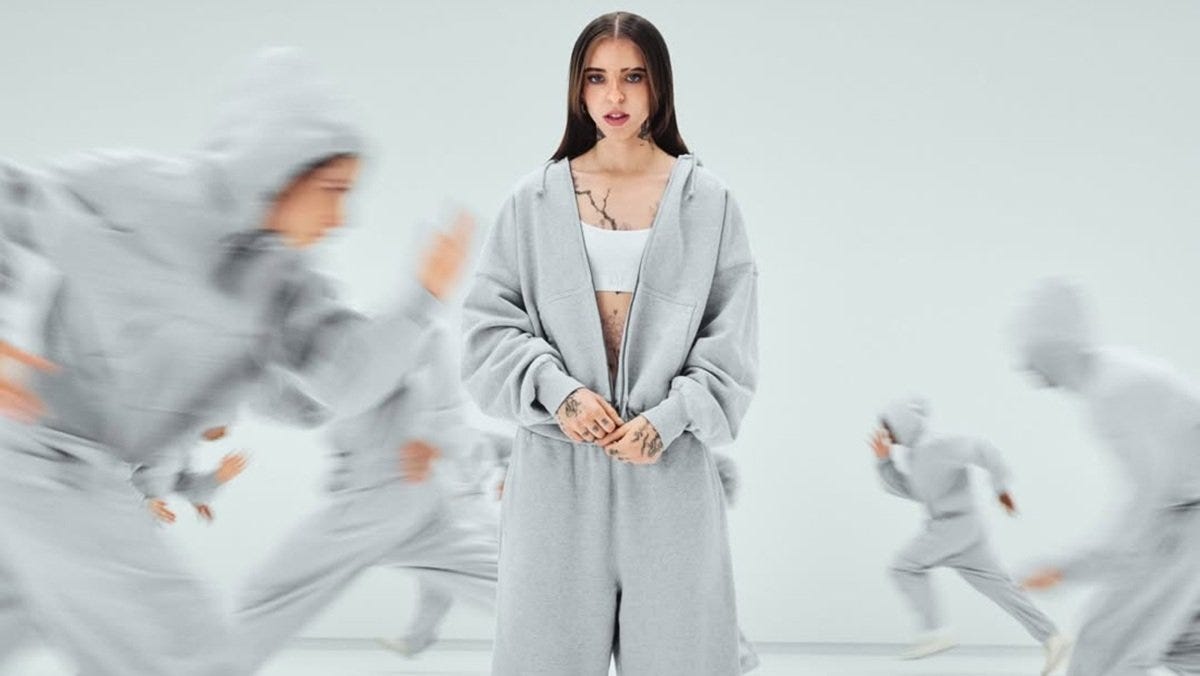
After back-to-back viral campaigns and high-profile collaborations with leading artists, creatives and brands across different industries like beauty, fashion and music, the brand has done an impeccable job of connecting its product innovation, craftsmanship, and durability to the wider cultural ecosystem it has built around itself. To name a few major campaigns: “Better in Denim” with Katseye, “Get Loose” with Troye Sivan, and their most recent one being “Sweats Like This” with Young Miko (their first ever Spanish video ad too!)
Partnerships with brands like Summer Fridays (ft. Barbie Ferreira), Cult Gaia, and BÉIS became some of their top-performing collaborations, ultimately positioning Gap at the centre of both pop culture and industry relevance.
Selling a story and a lifestyle
From their star-studded 90s and early 2000s ads, featuring iconic pairings like Madonna and Missy Elliott, Gap has always been inspired by music-driven commercials - rooted in individuality, rhythm and expression. The real takeaway is that they didn’t completely reinvent the wheel - they simply evolved the format for today’s audiences shaped by social media, fast-moving trends, and an overwhelming number of choices, driving millions of impressions, a boost in sales surges and topping BoF Insights’ 2025 Brand Pulse ranking. And now, honestly, they’ve just made the brand feel way more immersive and global, while still keeping that core Gap identity alive.
So, what was something they started to do differently?
They understood that attention today comes from participation, not just visibility. Gap’s campaigns weren’t built to only sit on billboards or live as ads - they were made to travel across TikTok edits, fan reposts, dance trends, moodboards and conversation online.
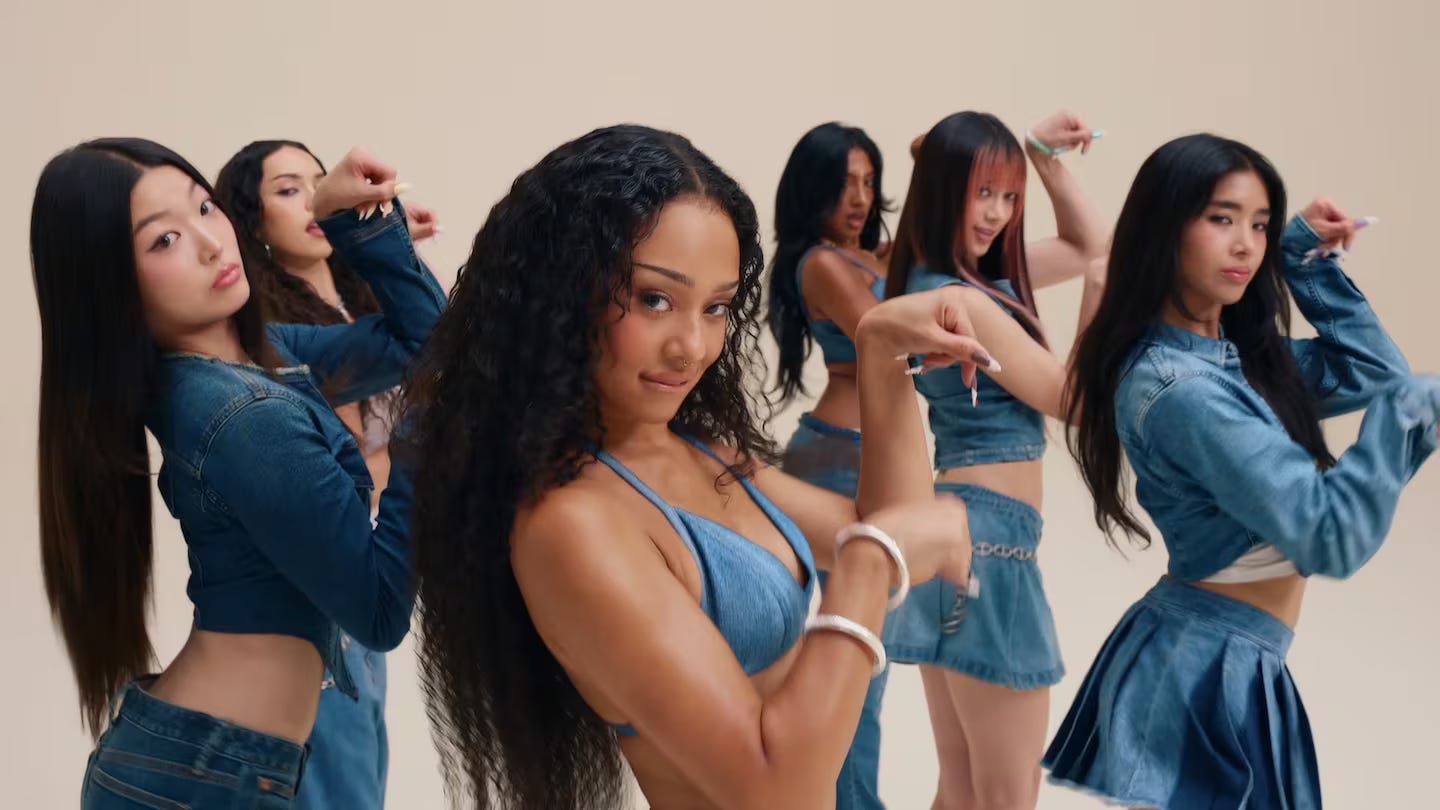
They also understood the power of borrowing cultural equity instead of trying to manufacture it from scratch. By tapping into artists, dancers, stylists and creators who already had strong communities around them, Gap was able to naturally place itself inside spaces people were already emotionally invested in. It made the brand feel less corporate and way more current.
What’s smart is that they never abandoned the simplicity of the product itself, either. At the core, they’re still selling denim, hoodies, sweats and basics. But instead of marketing them as “essentials,” they reframed them as part of a lifestyle and identity. The clothes became a canvas for self-expression rather than just everyday basics sitting on a shelf.
And in a market where so many brands are constantly trying to become louder, more shocking or more trend-driven, Gap’s revival almost feels refreshing because it’s rooted in emotional familiarity. They leaned into nostalgia, but packaged it in a way that still feels fresh enough for a generation discovering the brand for the first time.
The Invisible Dynamics effect
A huge part of Gap’s comeback can be credited to creative agency Invisible Dynamics, led by founder and CEO Oli Walsh. Partnering with the brand in 2023, the LA-based agency helped give Gap a full cultural reset by mixing nostalgic 90s energy with fast-paced, social-first storytelling made for modern audiences.
One thing they did really well was bring back Gap’s iconic dance-focused advertising, but in a way that felt fresh. Campaigns like “Linen Moves” with Tyla felt fun, expressive and made for the internet.
Beyond the campaigns themselves, Invisible Dynamics also helped curate partnerships with brands like Cult Gaia and BÉIS, which made Gap feel way more tapped into fashion, lifestyle and pop conversations rather than just sitting in the “basics brand” category.
And clearly, it worked.
The social-led storytelling and positioning didn’t just create hype online, it translated into actual business growth, too - proving that when branding feels emotionally relevant and culturally aware, audiences pay attention.
Mastering the blend of fashion and entertainment
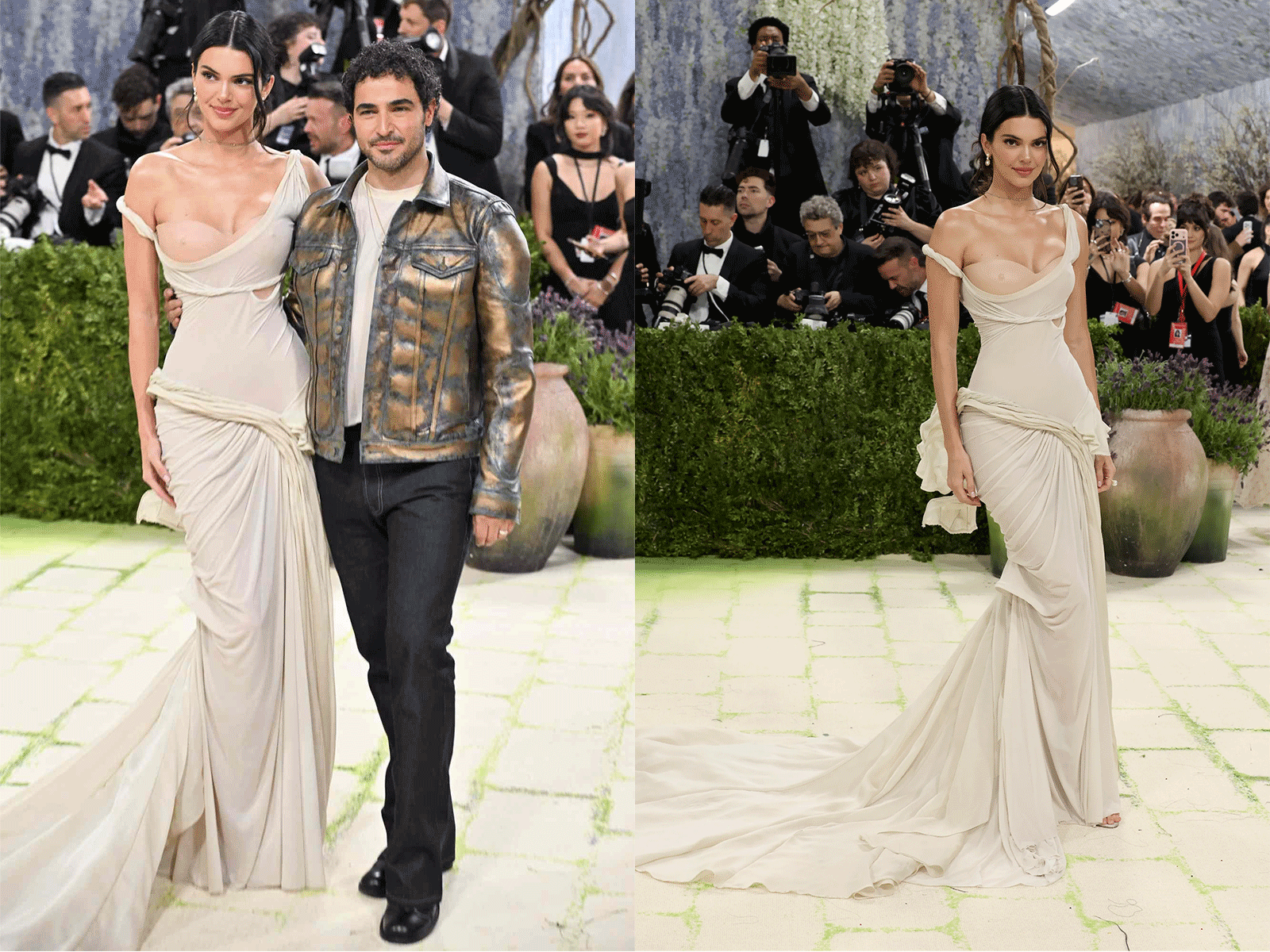
Besides pop culture moments, creative director Zac Posen has successfully reflected Gap into Hollywood, with A-list styling and high fashion scenes (*cough* Kendall Jenner at The Met Gala 2026) and bridging the gap between their heritage and modern relevance, across the wider brand portfolio!
They stopped relying on traditional static advertising, opting instead for “fashiontainment” - incorporating entertainment-style campaigns that tell a story into their overarching brand strategy. In doing so, Gap truly excelled at the blend of fashion and entertainment, creating campaigns that audiences ACTUALLY want to engage with.
What makes it work even more is the consistency behind it all. From the music choices and casting to the movement, styling and cinematic visuals, every rollout still feels connected to the same creative universe. That consistency helped transform individual campaigns into long-term cultural branding, rebuilding audience recognition through aesthetics and emotion.
Closing thoughts
At a time when consumers are exposed to endless content every single day, Gap recognised that products alone are no longer enough. People connect more with brands that evoke feelings, identity and experiences around what they sell. Through storytelling, music, movement and strong creative direction, Gap managed to make everyday basics feel relevant again without losing the simplicity of the brand itself.
I think their revival also says a lot about where branding is heading overall. The brands succeeding today are the ones building consistent worlds and communities around their products rather than relying on one-off campaigns or conventional marketing alone.

Interesting things from last week
The best things we’ve read, watched, and listened to + news from the internet
Sarah Pidgeon for Balenciaga is an absolute movie. Get me to NYC now!
Everlane co-founder Michael Preysman is teasing a new brand (venture capital and private equity-free) after the recent news of Everlane’s acquisition by fast fashion giant Shein.
Patagonia sues drag queen and environmental activist Pattie Gonia for trademark infringement.
The MAC Cosmetics team is fast! Amid the Patrick Ta transition blush plagiarism controversy, they launched a Painted By Esther x Olandria campaign. S
AI sentiment is at an all-time low. OpenAI and Anthropic CEOs are walking back their apocalyptic prophecies, Gen Z is booing AI at their graduations, and even Pope Leo calls on AI to be disarmed in his first encyclical.
Happy Pride Month! What the Old Gays Remember is one of my favourite internet series ever. If you love queer history niche gossip about pop divas, you will love it! A great palate cleanser for all the AI news.
Talking about Pride Month, outrageously but in a surprise to no one, given the current political climate, brands are pulling back on Pride sponsorships for the second consecutive year. Jaskaran from The Social Juice (one of my faves!) shared this data deep dive from Omnisend.
I love women in STEM. This is very cool!
 | A guest post by
|
Gap didn't just update its marketing. It changed its role in culture. That's a much harder thing to do. 👏
obsessed with gap 🤩🤩🤩